
Arts AND Culture
Springfield's arts and culture sector boasts strong participation, historic institutions, and growing grassroots energy.
Even with continued challenges with funding and space, a new energy is emerging, bolstered by This Place We Make, the region’s 10-year cultural vision. The plan will support a more connected and sustainable creative ecosystem.
key metrics
$142.6 MILLION
That's about $55 million more than before the pandemic.
Added to Greene County's economy by arts, entertainment, and recreation in 2024
more than
1 in 5
Creative workers in our area is a graphic designer
The 310 graphic designers outnumber Public relations specialists (290) and producers and directors (190).
2026 report
Arts demand in Springfield could grow up to 50% by 2060, and the region has the institutions and grassroots energy to meet it. Keeping pace will take better communication across the sector, steadier funding after a 40% state cut, and more ways for people of all ages to learn.


strong participation
Strong participation based on attendance at a broad range of performances, concerts, exhibits, festivals, events, and more. It is also expressed in the prevalence of residents’ hobbyist or amateur arts expression – playing a musical instrument, singing in a choir, preserving cultural traditions, and many more.
Cultural assets and networks
Springfield possesses remarkable cultural assets and networks including historic theaters, museums, emerging arts districts, vibrant music scenes, and passionate creative entrepreneurs. Arts and culture define communities. They shape how residents experience their city, how visitors perceive a place, and how young people decide where to build their futures. This variety in assets is further enhanced with the longevity of established institutions.
grassroots arts
aCTIVITY
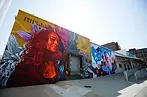
Grassroots arts activity is happening throughout the city. The Commercial Street corridor has evolved into an authentic arts enclave where individual artists and merchants create a thriving cultural ecosystem.
Opportunities to connect and participate in arts and culture in the region are significant, improving accessibility and lower barriers to entry for engagement.

communication and coordination
In the surveys used to inform the region’s cultural roadmap, communication and coordination were among the most frequently discussed challenges.
At the most basic level, residents and even active cultural participants struggle to find information about arts events and opportunities. At the same time, arts and culture organizations struggle to find an efficient and affordable path to access new audiences.
sustainable, reliable, and
diversified
funding
Sustainable, reliable, and diversified funding will always be a challenge. Even in 2026, funding for arts and culture is too often a political football rather than a shared community priority.
A recent DataArts report from Southern Methodist University found that increased municipal arts funding is directly linked to stronger financial performance and higher attendance across a city's arts sector; a relatively small local investment can have an outsized impact.
Sixty-six percent of cultural plan survey participants "strongly favor" increased public funding of the arts, and fifty-nine percent named "providing dedicated arts funding" a long-term priority.
Funding mechanisms must reach large institutions and individual artists alike, supporting neighborhood groups, public art, operating costs, capital projects, and underrepresented communities.
accessibility
to
arts
education
Accessibility to arts education is limited across the region, particularly outside traditional school settings.
Ninety-one percent of cultural plan survey respondents believe arts learning opportunities are essential to their community, yet the region lacks consistent, affordable creative learning experiences.


